


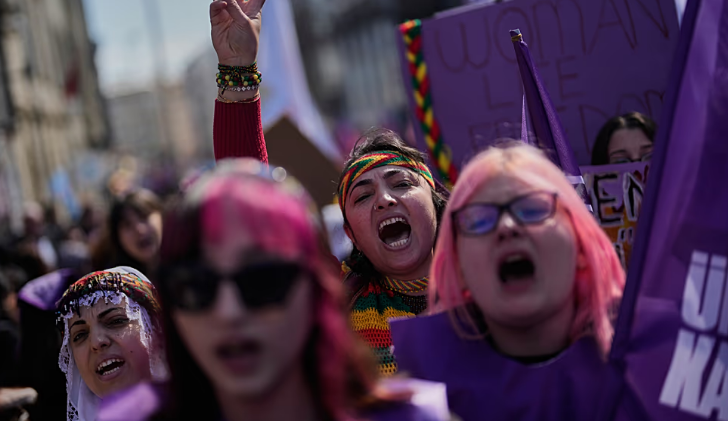
European leaders took to social media on 8 March to celebrate International Women’s Day, highlighting women’s contributions across society and calling for continued progress toward equality. Amid global conflicts and political crises, the day provided an opportunity for heads of state to emphasise the role of women in leadership, the workplace, and national defence.
Ursula von der Leyen, president of the European Commission, paid tribute to girls and women worldwide, praising their resilience in the face of oppression. She encouraged women to “find the power within themselves and never back down,” underscoring the ongoing struggle for gender equality.
In Ukraine, President Volodymyr Zelenskyy highlighted the growing presence of women in the military, thanking them for the strength they provide both on the battlefield and in daily life. According to Ukraine’s Defence Ministry, more than 70,000 women served in the armed forces in 2025, a 20% increase from 2022, with over 5,500 deployed directly on the front line. Zelenskyy’s message reflected the dual role many women play in supporting their country during times of conflict.
Spain’s Prime Minister Pedro Sánchez posted a video emphasizing the government’s commitment to protecting women’s rights. Sánchez warned against the normalisation of gender-based violence and online harassment, stating that the feminist movement must continue to advance despite these challenges.
Italian Prime Minister Giorgia Meloni called for ongoing responsibility beyond a single day. She urged the nation to ensure that no woman must choose between freedom, work, family, or personal fulfilment, reinforcing that gender equality requires daily commitment at all levels of society.
Other prominent figures echoed these messages. António Costa, president of the European Council, and António Guterres, UN Secretary-General, stressed that “equality benefits everyone” and highlighted the importance of investing in women and girls as a driver for broader societal progress. Their statements reinforced the notion that empowering women is not only a moral imperative but also an economic and social one.
The combined messages from European leaders and international figures reflected the continued push for recognition of women’s contributions in politics, defence, and the workforce. While progress has been made, leaders acknowledged that barriers remain, and consistent efforts are required to ensure equal opportunities and protection from discrimination and violence.
International Women’s Day served as a reminder that promoting equality is a shared responsibility. By highlighting women’s achievements and the ongoing need for action, European leaders sought to inspire both awareness and tangible change across their nations.
