


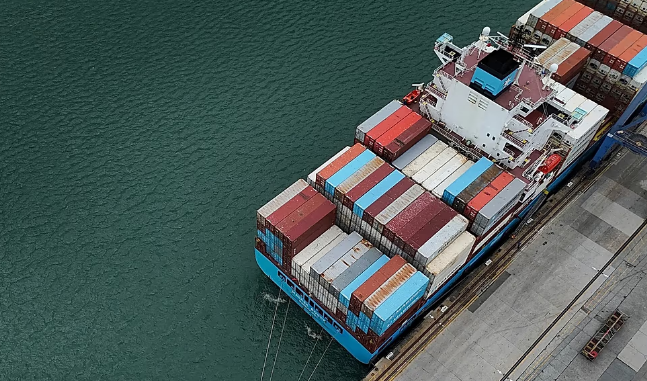
A tanker carrying liquefied petroleum gas has paid a record $5.3 million (€4.5 million) for priority passage through the Panama Canal, highlighting growing pressure on the vital waterway as drought threatens to reduce the number of ships allowed to transit.
South Korean company SK Gas paid the record amount for its tanker, the G. Spirit, to secure passage on September 1, according to the canal’s deputy administrator. The transit is scheduled just two days before authorities are due to begin reducing the number of daily crossings because of worsening water shortages linked to the El Niño weather pattern.
Panama declared an emergency over El Niño on Tuesday as a severe drought continues to reduce water supplies needed to operate the canal. Rainfall deficits have reached as much as 60% on the country’s Pacific coast, while 11 watersheds are already facing water stress.
El Niño is a climate pattern that raises sea surface temperatures in parts of the central and eastern Pacific Ocean. It can alter wind patterns, atmospheric pressure and rainfall across large areas of the world. Central America is currently experiencing a severe drought associated with the phenomenon.
Most ships reserve their canal crossings well ahead of time. Vessels without reservations typically face an average wait of about five days, while operators can compete for last-minute slots through an auction.
The Panama Canal Authority said the average price paid at auction between October 2025 and February 2026 was about $55,000 (€47,000). The latest payment is far above that level and also exceeds a previous record set earlier this year.
In April, a vessel carrying liquefied natural gas paid about $4 million (€3.4 million) for priority passage. Demand for the canal had increased as disruptions caused by the war in the Middle East affected global shipping routes and the movement of essential cargo.
The Panama Canal handles about 5% of global maritime trade, with the United States, China, Japan, Chile and South Korea among its main users.
Authorities plan to reduce daily transits from 36 to 34 beginning September 3. The number is expected to fall again to 32 later in the month.
The canal faced an even more serious water crisis in 2023, when falling levels in the lakes that supply the waterway forced operators to reduce daily crossings from 38 to just 22.
Forecasters expect El Niño to strengthen in the coming months, with its effects potentially continuing until May 2027, raising concerns about further restrictions and higher costs for ships relying on the canal.
