


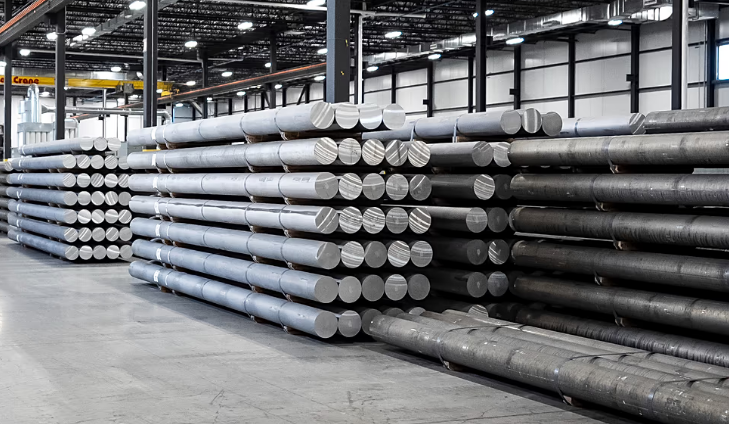
Aluminium prices declined on Friday, tracking losses across several industrial metals, as investors reacted to reports that the administration of Donald Trump may ease tariffs on imported metal goods ahead of the November midterm elections.
On the London Metal Exchange, the benchmark three-month aluminium contract dropped more than 2.5% to $2,965.75 per tonne by midday trading. The most-active aluminium contract on the Shanghai Futures Exchange also declined, falling 1.76% to 23,195 yuan (€2,832) per tonne.
The losses extended beyond aluminium, with other key industrial metals also trading lower. Zinc fell to $3,316.50 per tonne, down 1.54%, while nickel dropped 1.49% to $16,993.38 per tonne. Lead also declined, slipping 0.52% to $1,972.38 per tonne. The broad retreat reflected shifting expectations about global supply conditions and trade policy.
Market sentiment weakened following reports that the White House is reviewing tariffs on steel and aluminium products and could exempt certain goods or halt further tariff expansions. Officials are said to be considering replacing wide-ranging duties with more targeted measures aimed at specific imports.
Trump introduced tariffs of up to 50% on imported metals last year, later expanding them to cover a wide range of manufactured goods. The move was intended to protect domestic industries and reduce reliance on foreign suppliers. However, economists and industry analysts have argued that the tariffs increased costs for manufacturers and contributed to higher prices for consumers.
The administration has already taken steps to ease pressure in other areas, including reducing tariffs on some food imports and reaching a temporary pause in trade tensions with China after retaliatory measures from Beijing. The potential rollback of metal tariffs is being closely watched by global markets, particularly as policymakers face concerns over inflation and the rising cost of living.
Industrial metals such as aluminium play a central role in sectors including transportation, construction, packaging, and consumer appliances. Changes in pricing can quickly affect production costs and profit margins for manufacturers worldwide. Even modest daily price movements are closely monitored by investors and businesses for signals about future demand and supply conditions.
Analysts said expectations of looser trade restrictions could increase the availability of imported metals in the United States, easing supply constraints and weighing on prices. At the same time, uncertainty remains over whether tariff reductions will be broad or limited to selected products.
With global markets sensitive to policy shifts in Washington, traders are expected to continue monitoring developments closely, as any changes to tariff rules could reshape trade flows and influence metal prices in the months ahead.
