


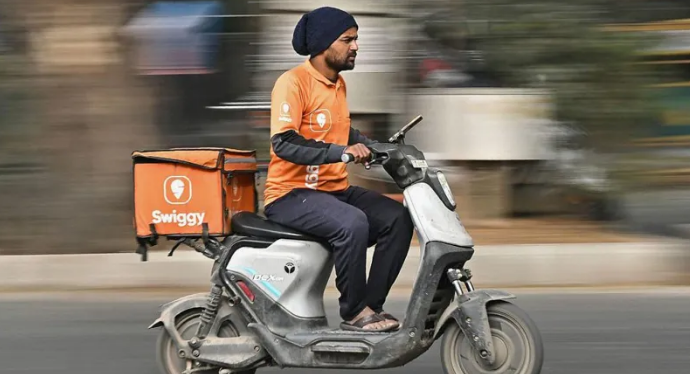
The Indian government has instructed quick-commerce platforms to remove the widely advertised “10-minute delivery” promise amid concerns over worker safety, sources told the BBC. The move follows a nationwide strike last month by delivery riders demanding fair wages, safer working conditions, and respect for gig workers.
Discussions between the federal labour ministry and executives from major platforms including Zomato, Blinkit, Zepto, and Swiggy took place after the protest, which highlighted the human cost of the fast-paced delivery model. While the strike caused limited disruption for customers, it sparked a broader debate about the pressures faced by gig economy workers in one of the world’s fastest-growing digital markets.
A labour ministry official, speaking on condition of anonymity, said the government urged firms to stop promoting tight delivery deadlines. Some companies, such as Blinkit, have already removed the explicit “10-minute” claim from marketing, while others are expected to follow. However, in several cities, app-based estimated delivery times still show under ten minutes due to the proximity of dark stores to residential areas, allowing orders to be completed quickly.
Quick-commerce, which surged in India during the COVID-19 pandemic, relies on small neighbourhood warehouses to deliver groceries, household items, and other essentials within minutes. The sector has expanded alongside India’s broader gig economy, which is projected to grow from 7.7 million workers in 2021 to 23.5 million by 2030, according to government think tank Niti Aayog.
The rapid growth of the sector has raised concerns over worker safety and earnings. Delivery riders report long hours and financial pressure to meet fast delivery targets. Mobin Alam, 23, said missing a deadline can lead to penalties or fewer orders, forcing him to work extra hours to support his family. Even after working over 12 hours daily, he earns around 20,000 rupees ($220; £165) a month.
Researchers warn that gig workers, while classified as independent contractors, remain dependent on platform algorithms for income. They lack social security, career growth, training, or upskilling opportunities. Vandana Vasudevan, author of OTP Please! Online Buyers, Sellers and Gig Workers, said, “Speed is built into the system… workers know how fast they work and their ratings directly affect the number of orders they get.”
Labour unions welcomed the government’s decision. Shaik Salauddin, national general secretary of the Indian Federation of App-based Transport Workers, called it a “significant and much-needed step in protecting the lives and dignity of gig and platform workers.”
Delivery riders expressed mixed reactions. Some, like Mahesh Kumar, said removing the 10-minute deadline could reduce stress, while others, including Akhilesh Kumar, warned that it would not address low per-order pay or other structural challenges. Satveer noted that similar promises had been made previously without substantial results, adding that riders still seek better pay and parking facilities.
The government’s move marks a notable attempt to balance rapid service delivery with worker safety, highlighting the tensions inherent in India’s expanding digital economy.
