


European Union countries have approved a major free trade agreement with South America’s Mercosur bloc, more than 25 years after negotiations first began. The pact, involving Brazil, Argentina, Paraguay and Uruguay, still needs approval from the European Parliament before it can take effect.
The deal was finalized in Brussels, with leaders from the four South American countries attending the signing process. Brazil’s President Luiz Inácio Lula da Silva called it a “historic day for multilateralism” and said the agreement signals support for international trade in a period of rising protectionism.
EU Commission President Ursula von der Leyen said the agreement will create new opportunities for businesses and consumers on both sides of the Atlantic. The pact is expected to eliminate tariffs on a range of goods, potentially saving European companies billions in export duties and opening South American markets to European products. Officials also highlighted commitments on environmental standards, including efforts to curb deforestation and secure sustainable access to raw materials critical for green technology.
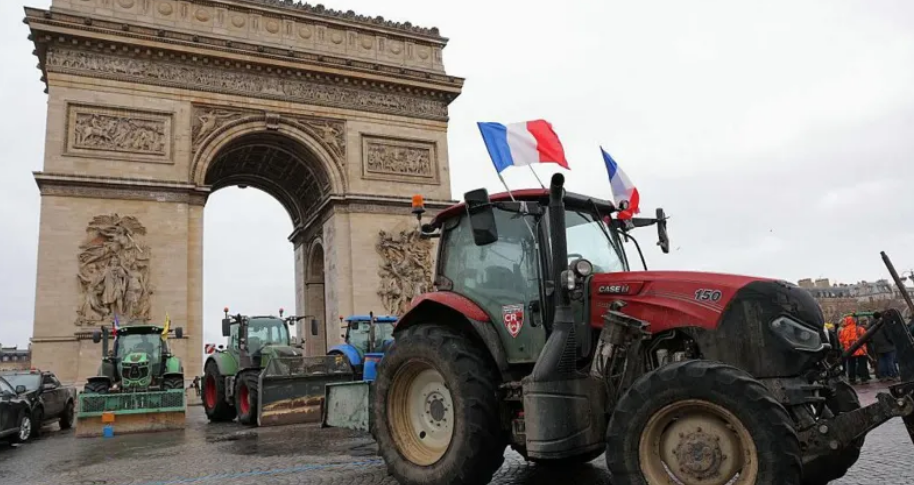
While leaders praised the deal as a milestone in global trade, it has drawn strong criticism from farmers in several European countries. Demonstrations erupted in France, Belgium and other EU states, with farmers driving tractors through city streets and protesting against the potential impact of cheaper imports on local agriculture. Products such as beef, poultry and sugar are seen as particularly vulnerable.
“There is a lot of pain. There is a lot of anger,” said Judy Peeters, a representative of a Belgian young farmers’ group, at a protest south of Brussels. Von der Leyen responded by noting that the European Commission had introduced safeguard measures to protect farmers’ livelihoods, allowing temporary restrictions if imports threaten domestic markets.
Economists say the economic impact of the deal may be modest. Jack Allen-Reynolds, deputy chief Euro-zone economist at Capital Economics, noted that the EU’s own projections estimate only a 0.05% increase in economic output, with benefits phased in over 15 years and expected to materialize fully only around 2040.
The pact is also seen as a geopolitical signal. Cecilia Malmström, a former European trade commissioner, said it demonstrates the EU’s commitment to rule-based trade and offers a counterpoint to unilateral actions by other global powers.
European member states gave broad support to the agreement, though the upcoming parliamentary vote could be closely contested. Lawmakers will weigh the potential long-term benefits against concerns over agricultural impact, environmental protections, and public opposition.
If ratified, the EU-Mercosur deal will become one of the world’s largest free trade areas, covering over 700 million people and boosting trade and political ties across continents.
