


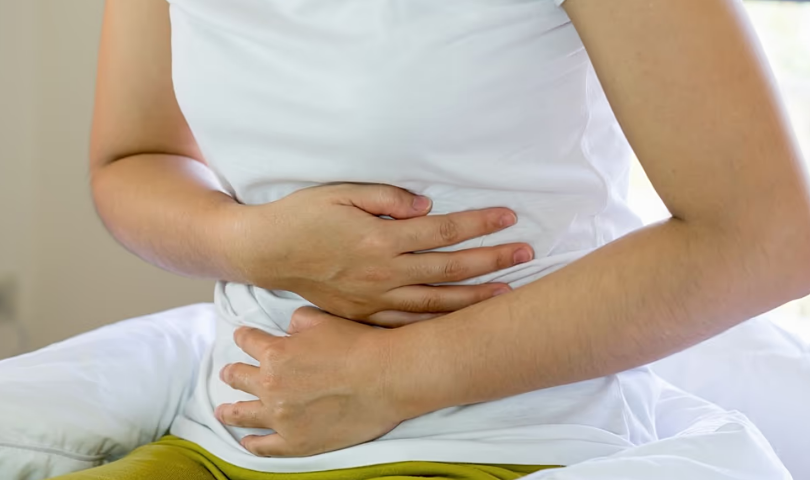
From social media trends to supermarket shelves, gut health has become one of the biggest buzzwords in modern wellness. But scientists warn that much of the hype surrounding the microbiome — the vast community of bacteria and microorganisms living in the digestive tract — often outpaces the science.
In an interview with Euronews Health, leading microbiologists and gastroenterologists said that while research into gut health is promising, many popular claims about “fixing” or “optimizing” the gut are misleading or exaggerated.
“The microbiome is incredibly complex,” said Professor Alan Walker, a microbiologist at the University of Aberdeen. “It’s very rare that you can give a straight, 100 per cent answer that applies to everyone, because everyone is so different. Simple stories really don’t exist.”
Over the past decade, the gut microbiome has been linked to a range of conditions — from diabetes and heart disease to insomnia and even cancer — but experts caution that definitive evidence is still emerging. In the meantime, commercial products and “gut health” tests have flooded the market, many of which are built on shaky science.
At-Home Tests and Quick Fixes Under Scrutiny
Dr. Lucas Wauters, a gastroenterologist at University Hospitals Leuven in Belgium, said that while some stool-based tests can detect useful medical markers, most commercial gut tests oversimplify the results.
“Simple indices and indicators are always very misleading,” he explained. “If test results are coupled with supplement recommendations or links to buy treatments, that’s a red flag.”
Wauters and Walker both warned against buying into expensive “gut detoxes” or supplements that claim to rebalance bacteria or boost digestion. “If the proof isn’t there, it doesn’t mean it won’t work — but it’s a leap of faith,” Walker said.
Probiotics and DIY Treatments Pose Risks
Probiotic foods such as yogurt, kimchi, and kefir do contain beneficial bacteria, but Walker noted that their effects are often overstated. “If we’re being honest, the level of evidence that those things actually work is very patchy,” he said.
Meanwhile, a growing number of people are experimenting with at-home faecal transplants — a dangerous trend, experts warned. While medical faecal transplants can successfully treat certain infections, self-administered procedures can lead to serious harm. “This should never be done outside clinical recommendations,” Walker said.
Stick to the Basics
Experts agreed that the best way to support gut health remains simple: maintain a balanced diet, drink plenty of water, and exercise regularly. Foods rich in fibre — such as oats, beans, and kiwis — can promote healthy digestion, but individual tolerance levels vary.
“There’s a lot of promise in gut microbiome research,” Walker said. “But for most interventions, we still need better-quality evidence. Until then, the fundamentals — healthy food, hydration, and movement — remain the best medicine.”
