


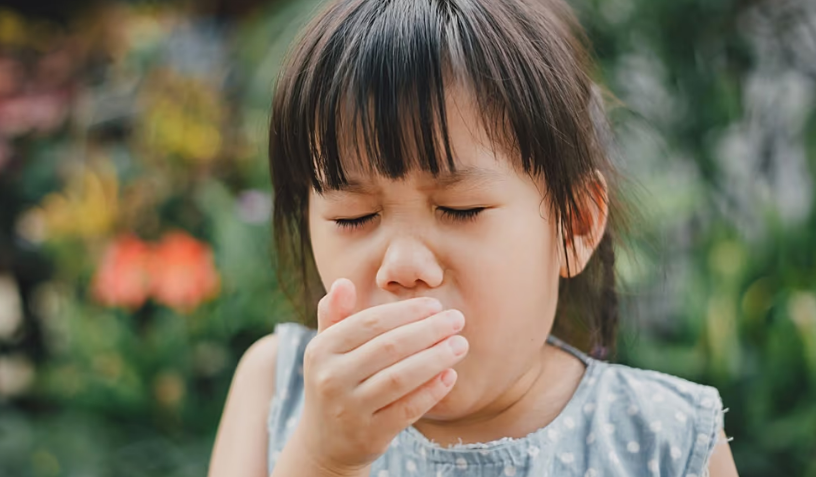
Health experts are warning of a sharp resurgence in whooping cough, also known as pertussis, with case numbers in Europe and the United States now surpassing pre-pandemic levels. Doctors stress that vaccinating women during pregnancy is the most effective way to protect newborns, who face the highest risk of life-threatening complications.
The highly contagious bacterial infection, often dubbed the “100-day cough,” had been circulating at relatively low levels during the COVID-19 pandemic due to widespread mask use, school closures, and restrictions on gatherings. But with those measures lifted, pertussis has returned strongly.
According to the European Centre for Disease Prevention and Control (ECDC), more than 25,000 cases were recorded across EU and EEA countries in 2023, followed by over 32,000 cases in the first quarter of 2024 alone. The illness typically causes weeks or months of relentless coughing fits in older children and adults. In infants under two months old, however, it can be far more dangerous.
“Pertussis symptoms are different in infants,” explained Dr. Caitlin Li, an infectious disease specialist at Ann & Robert H. Lurie Children’s Hospital of Chicago, in a recent article in Pediatrics. “The characteristic whooping sound may be absent, but apnea—interrupted breathing—is common.” She added that babies often present with unusually high white blood cell counts, which can be mistaken for more serious non-infectious conditions.
The rise in cases reflects both a post-pandemic rebound and the cyclical nature of pertussis, which tends to peak every three to five years, even in countries with strong vaccine programs.
To counter the current surge, public health agencies are emphasizing maternal vaccination as the most critical intervention. When mothers are immunized between 27 and 36 weeks of pregnancy, antibodies pass through the placenta and shield newborns until they are old enough to begin their own vaccination schedule.
“Given that infants are at high risk for complications, pertussis vaccination of mothers during pregnancy is critical, as it protects newborns against this potentially fatal illness,” Dr. Li said. Studies suggest the strategy reduces the risk of severe pertussis in infants by up to 85 percent.
The US Centers for Disease Control and Prevention (CDC) recommends a five-dose DTaP series for children from two months to six years of age, followed by a booster during adolescence. But the agency stresses that maternal immunization remains the most urgent preventive measure.
WHO Europe also urges rapid antibiotic treatment for those who contract the infection and strict avoidance of contact with infants, pregnant women, or other vulnerable individuals. Data from Public Health France shows that more than half of infected children contract pertussis from one of their parents.
With cases rising sharply, experts warn that maintaining high vaccination coverage—among children, adults, and especially expectant mothers—will be key to protecting the most vulnerable.
