


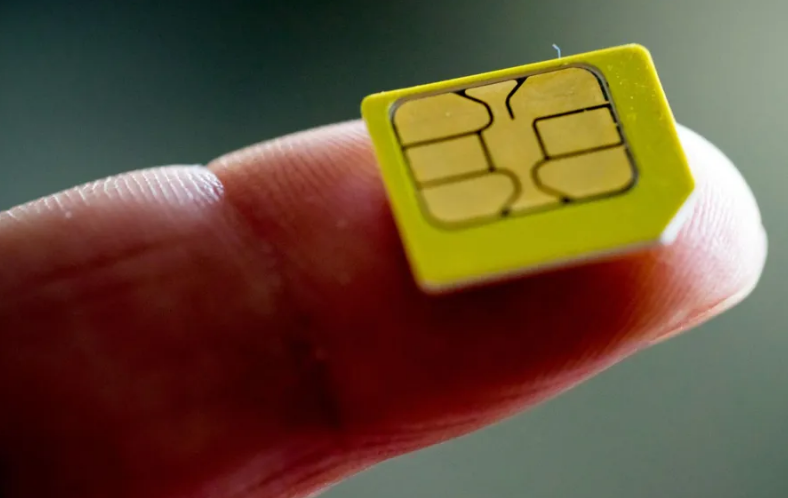
Apple’s latest launch is making headlines not just for design, but for what it leaves behind. The new iPhone Air, unveiled this week, will only support eSIM technology — dropping the traditional plastic SIM card that has been a staple of mobile phones for decades.
The move has prompted questions about the future of the SIM card, long a familiar part of setting up a phone. For millions of users, inserting the small chip has been an essential first step in connecting to mobile networks, handling calls, texts, and data.
With the iPhone Air, that process becomes entirely digital. An eSIM allows users to activate service, switch providers, or add plans remotely without the need for a physical card or the tiny trays and tools used to insert one.
Analysts say Apple’s decision could mark a turning point. “This announcement marks the beginning of the end of the physical SIM card,” said Kester Mann, analyst at CCS Insight. Paolo Pescatore, of PP Foresight, added that the SIM tray will likely “disappear altogether” in time.
While Apple is pushing the change, it has not gone fully eSIM-only across its entire lineup. The newly announced iPhone 17, 17 Pro, and 17 Pro Max models will use eSIM exclusively in certain markets, but will retain SIM slots in many countries. Rival manufacturers like Samsung and Google have also embraced eSIMs, though most of their devices still support traditional cards.
Industry forecasts suggest momentum is growing. CCS Insight estimates that 1.3 billion smartphones with eSIMs were already in use by the end of 2024, a figure expected to climb to more than 3.1 billion by 2030.
Advocates point to several benefits. Without the space needed for SIM trays, phone makers can dedicate more room to features such as larger batteries. Environmental impacts are another factor, with fewer plastic cards manufactured and discarded. For consumers, eSIMs can make it easier to switch providers or add local plans when travelling abroad, reducing the risk of unexpected bills.
Still, challenges remain. Experts warn that some customers — particularly older users or those less comfortable with technology — may find the transition confusing. “The industry needs to work hard to explain how to use eSIMs,” Mann said. Others note that the lack of a removable SIM could make troubleshooting or switching phones less straightforward in some situations.
For now, the physical SIM card is not disappearing completely. But Apple’s latest step signals that its days may be numbered, with eSIMs set to redefine how users connect to their networks in the years ahead.
