


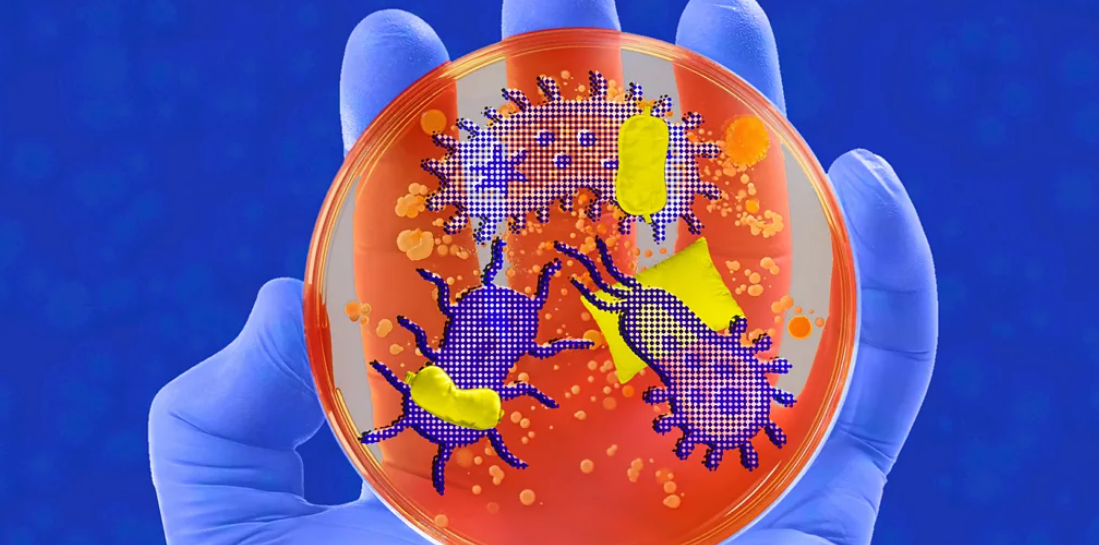
The bacteria living inside the human gut and mouth may play a much larger role in determining how well we sleep than previously thought, according to emerging scientific research.
For decades, scientists believed that sleep disorders disrupted the body’s microbial balance. Now, new studies suggest the relationship may be two-way, with microbes actively influencing sleep patterns and circadian rhythms—the internal body clock that regulates rest and wakefulness.
“Some of the evidence we’re seeing now indicates that it’s probably a relationship that goes in both directions,” said Jennifer Martin, a professor at the University of California, Los Angeles, and board member of the American Academy of Sleep Medicine.
Recent findings presented at a sleep science conference in May showed that teenagers and young adults with a greater diversity of oral microbes tended to sleep longer. Other studies have revealed that people with chronic insomnia often have less microbial diversity in their guts—a pattern also linked to weakened immunity and higher risks of obesity, diabetes, and cardiovascular disease.
A month-long trial involving 40 volunteers wearing sleep trackers found poor sleep correlated with less diverse gut microbiomes. Meanwhile, people experiencing “social jet lag”—inconsistent sleep schedules during weekdays and weekends—were found to have significantly different microbial populations compared with those who maintained consistent sleep routines.
Researchers suspect the effect may run deeper than diet alone. Sarah Berry, professor of nutritional sciences at King’s College London, noted that while short sleepers tend to crave sugary foods due to heightened brain reward responses, microbial changes observed in people with irregular sleep could not be fully explained by diet.
Experimental studies offer further clues. In one 2024 trial, mice given gut microbes from humans suffering insomnia began showing disrupted sleep patterns themselves. Other small-scale studies in China have suggested that fecal transplants could improve sleep in patients with chronic insomnia, though scientists stress that more rigorous clinical trials are needed.
Experts say microbes may exert their influence through the chemicals they produce. Some gut bacteria generate neurotransmitters such as serotonin, dopamine, and gamma-aminobutyric acid, all essential for regulating sleep and mood. Others release short-chain fatty acids like butyrate, which also affect brain function. Conversely, microbes that thrive on saturated fats and sugars can create inflammatory molecules capable of disrupting circadian rhythms.
The oral microbiome may be just as important. Poor diet and dental health can foster bacteria that increase inflammation, raising the risk of conditions such as obstructive sleep apnea, where breathing is repeatedly interrupted during the night.
While scientists caution that psychological and lifestyle factors also play major roles in sleep quality, the growing body of research is opening new avenues for treatment. Instead of relying solely on sleeping pills, future therapies could include probiotics or microbiome-based interventions designed to restore balance in the body’s microbial communities.
As Martin put it: “We’re starting to realize that our microbes may be partners in helping us get a better night’s sleep.”
