


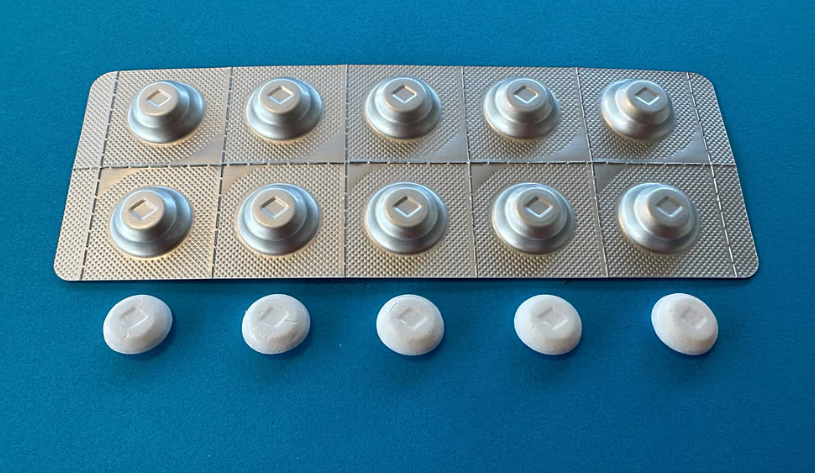
The psychedelic drug LSD has shown encouraging results in reducing symptoms of generalized anxiety disorder, according to a new study that could pave the way for its eventual medical approval in the United States. The research, conducted by biotechnology company Mindmed and published in the Journal of the American Medical Association, is the most significant evidence in decades supporting the therapeutic potential of LSD, which has been banned in the U.S. for more than 50 years.
The mid-stage clinical trial involved nearly 200 patients with moderate-to-severe anxiety. Participants received one of four doses of LSD or a placebo, administered under professional supervision. Researchers tracked the patients over three months to evaluate changes in anxiety levels. Results showed that patients who received the two highest doses of LSD reported significantly lower anxiety scores than those given placebo or lower doses. At the 12-week mark, 65 percent of those who received the most effective dose—100 micrograms—continued to show benefits, with nearly half in remission.
Dr. Maurizio Fava of Mass General Brigham Hospital, the study’s lead author and an adviser to Mindmed, said the findings were notable for their durability. “It’s possible that some people may need retreatment,” Fava said, “but the long-lasting effect is quite significant.”
The study also highlighted potential side effects, including hallucinations, nausea, and headaches. A further complication was that most participants were able to guess whether they had received LSD or placebo, raising questions about the integrity of the trial’s “blinded” design. Dropout rates were also high, narrowing the final data set.
Still, experts view the study as an important step forward. “I see this paper as a clear step in reviving old research, but with modern standards,” said Frederick Barrett, director of Johns Hopkins University’s Center for Psychedelic and Consciousness Research, who was not involved in the trial.
Interest in psychedelics as treatments for mental health conditions has surged in recent years. The U.S. Food and Drug Administration (FDA) has already granted “breakthrough therapy” status to psilocybin and MDMA, and LSD now joins the list of candidates. However, approval is far from guaranteed. Last year, the FDA rejected MDMA for treating PTSD, citing flaws in study methods and concerns about bias.
Unlike other psychedelic studies, which often combine drug treatment with extended talk therapy, Mindmed’s trial tested LSD alone, under supervision but without therapy sessions. That simpler approach may help regulators isolate the drug’s effects.
Mindmed has already launched two larger, late-stage studies designed to confirm these findings and assess how long the benefits last. If successful, the company plans to seek FDA approval.
Generalized anxiety disorder affects nearly 3 percent of U.S. adults, according to the National Institutes of Health. Current treatments include psychotherapy, antidepressants, and anti-anxiety medications such as benzodiazepines, though many patients struggle with limited effectiveness or side effects.
“LSD was always right there, but Mindmed is the first company to rigorously evaluate it in modern trials,” Fava said. “These results suggest it may hold real promise as a treatment option.”
