


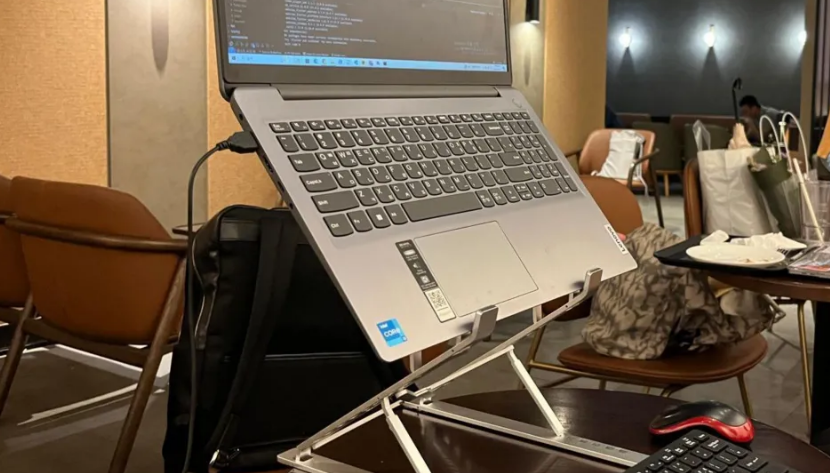
A growing cultural trend in South Korea, where young people increasingly use cafés as extended study or work spaces, has sparked both support and criticism after Starbucks introduced nationwide guidelines to address what some see as excessive use of its outlets.
The phenomenon, known as Cagongjok — a term for customers who camp out in cafés for hours with laptops, books, and other study materials — has become particularly widespread in Seoul’s affluent districts such as Daechi, an area popular with students and office workers. While many café owners tolerate the practice, some say it is pushing their businesses to the limit.
Hyun Sung-joo, who has run a café in Daechi for 15 years, described one extreme case where a customer set up two laptops and a six-port power strip, occupying a table for the entire day. “With Daechi’s high rents, it’s difficult to run a café if someone occupies a seat all day,” Hyun said.
Starbucks Korea announced this month that a minority of customers have been taking the practice too far, bringing in desktop monitors, printers, or partitioning tables for personal use. Its new guidelines, introduced on August 7, encourage staff to offer “guidance” in cases of prolonged seat-hogging or elaborate setups, though the company stressed customers would not be asked to leave.
The coffee chain said the policy also aims to address safety issues, such as theft of unattended belongings. Still, the company admitted it was “difficult to confirm” whether the rules had already changed customer behavior.
Despite the restrictions, many students and job seekers continue to see Starbucks as a refuge. “I get here around 11 a.m. and stay until 10 p.m.,” said an 18-year-old preparing for South Korea’s university entrance exam. Others, like independent café owner Kim in Jeonju, have taken stricter measures, introducing “No Study Zones” and two-hour limits to balance the needs of different customers.
The debate reflects wider social pressures in South Korea’s hyper-competitive environment, where many young people lack quiet study spaces at home. Professor Choi Ra-young of Ansan University said Cagongjok is “a youth culture created by the society we’ve built,” pointing to cramped housing, job insecurity, and academic stress as driving factors.
Public reaction to Starbucks’ move has been mixed. Many welcome it as overdue, citing difficulties finding seats and the hushed atmosphere created by long-term studiers. Others criticize it as overreach, arguing cafés should remain open environments.
With nearly 100,000 coffee shops across the country and a 48% growth in the sector over the past five years, the café study culture shows no signs of fading. Experts suggest South Korea will need to strike a balance between accommodating this growing trend and preserving cafés as social spaces for all.
