


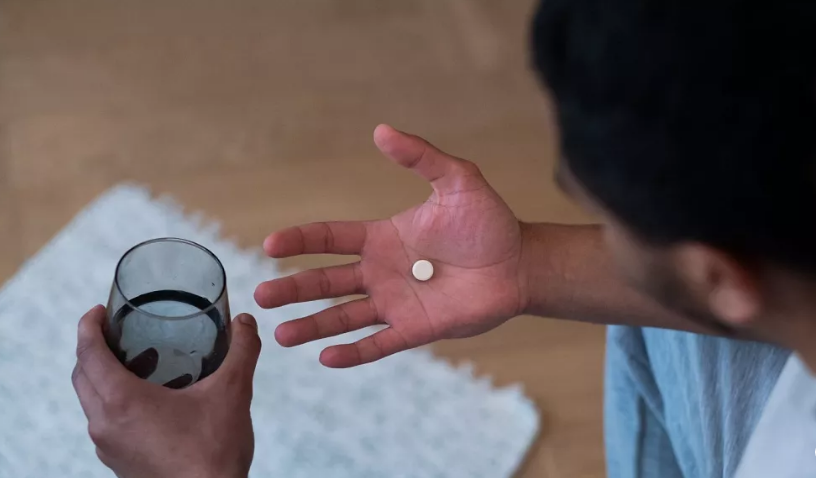
European countries are spending more on essential medicines than any other region, but wealthier nations ultimately benefit from greater affordability once purchasing power is taken into account, a new international study has found.
The research, published in the JAMA Health Forum, analyzed the cost and availability of 549 essential medicines across 72 markets worldwide. These drugs, drawn from the World Health Organization’s (WHO) list of essential medicines, range from painkillers and antibiotics to anesthetics, chemotherapy drugs, and treatments for mental health conditions.
The study revealed that in 2022, European nations collectively spent around €1.74 billion, averaging €167 per person. In comparison, the Americas spent approximately €868 million overall, while Southeast Asia reported just €6 per capita. Availability of medicines also varied widely, with Germany stocking 438 of the listed medicines, compared with just 225 in Kuwait. Across 33 European countries included, the average was 367 medicines available.
While richer nations typically face higher list prices for drugs, they are cushioned by stronger purchasing power, national insurance systems, and state-led price negotiations. Once these factors are taken into account, many wealthier countries enjoy some of the lowest effective medicine costs globally.
By contrast, lower-income nations, despite often showing lower list prices, face a disproportionate burden. For people in parts of Africa and Southeast Asia, a month’s treatment can cost weeks of wages, forcing families to make impossible choices between healthcare and other essentials.
The study highlighted significant variations across regions. In Lebanon, for instance, drug prices were roughly one-fifth of those in Germany when adjusted for purchasing power, while in Argentina, they were nearly six times higher. In Pakistan, the cost of medicines equaled German levels once purchasing power was considered, while in the United States, prices reached three times higher than Germany’s.
The financial burden was most acute for treatments such as chemotherapy and chronic disease medications. A minimum-wage worker in India would need about 10 days’ wages to afford a month’s supply of tenofovir disoproxil, a drug for hepatitis B and HIV/AIDS. For paclitaxel, a chemotherapy drug, workers in poorer countries could spend nearly six weeks of wages on a single month’s treatment.
Mental health and cardiovascular drugs emerged as some of the costliest categories, while hepatitis treatments were among the least expensive. Researchers stressed that these disparities highlight a pressing issue of global health equity.
“Some poorer countries face a higher burden of medication costs, even if the price for the same medicine is lower compared to richer countries,” the study concluded, urging policymakers to consider both price and affordability in shaping access to essential treatments.
