


More than 3,000 Boeing defence workers launched a strike on Monday, walking off the job at the company’s key military aircraft facilities in Missouri and Illinois. The action marks the first major labour disruption in Boeing’s defence division since 1996 and comes amid ongoing turbulence for the embattled aerospace giant.
The walkout, led by the International Association of Machinists and Aerospace Workers (IAM) Local 837, follows a breakdown in negotiations over pay, pensions, and work schedules. Union members rejected Boeing’s latest contract offer, which included what the company described as an average wage increase of 40%.
“3,200 highly-skilled IAM Union members at Boeing went on strike at midnight because enough is enough. This is about respect and dignity, not empty promises,” the union said in a post on social media platform X (formerly Twitter).
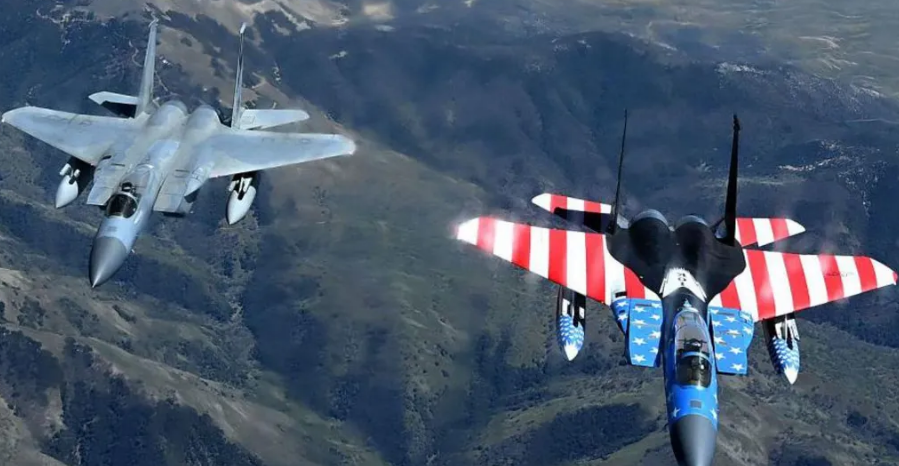
The striking workers are involved in the production of military aircraft, including the F-15 and F/A-18 fighter jets, at Boeing’s defence hub in St. Louis. Boeing Vice President of Air Dominance, Dan Gillian, expressed disappointment over the vote but emphasised that the company remains committed to reaching a resolution.
“We’re disappointed our employees rejected an offer that featured 40% average wage growth,” Gillian said in a statement.
The strike comes at a difficult time for Boeing, which is still reeling from a series of setbacks across its commercial aviation division. In addition to ongoing quality and safety issues, the company has faced intense scrutiny over the past year following a mid-air panel blowout on a 737 Max aircraft and a string of delayed deliveries. Last year, Boeing delivered just 348 aircraft — the lowest annual total since the height of the pandemic.
Despite the timing, Boeing CEO Kelly Ortberg sought to downplay the impact of the strike, comparing it to a much larger walkout in 2023 involving roughly 30,000 commercial aircraft workers.
“I wouldn’t worry too much about the implications of the strike. We’ll manage our way through that,” Ortberg said last week.
Still, the defence strike underscores broader tensions within Boeing’s workforce and the company’s ongoing struggle to rebuild trust and stability after years of crisis — including the fatal 737 Max crashes in Indonesia and Ethiopia that killed 346 people.
The IAM represents around 600,000 workers across aerospace, defence, and manufacturing sectors nationwide. Talks between the union and Boeing remain at an impasse, with no immediate resolution in sight.
