


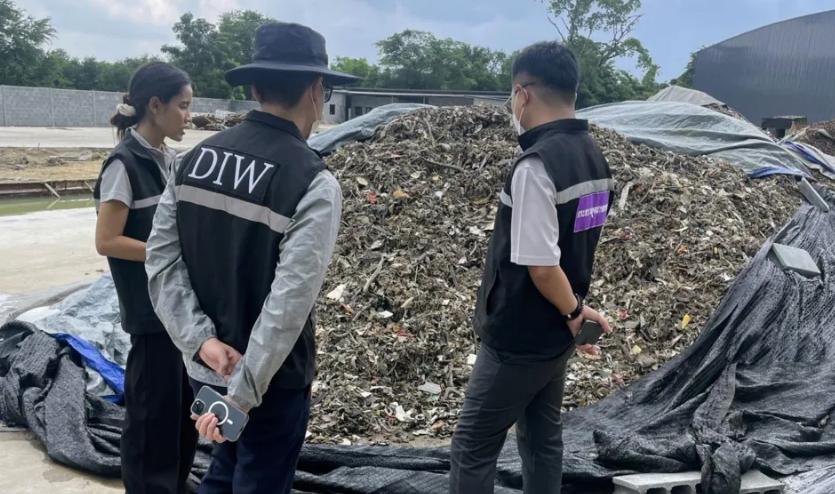
Thai authorities are intensifying efforts to tackle a growing crisis of illegal electronic waste imports, as unlicensed recycling plants continue to flourish despite a national ban on e-waste shipments.
Leading the charge is Thitipas Choddaechachainun, head of a special task force at Thailand’s Ministry of Industry. At an industrial site in eastern Thailand, Choddaechachainun and her team recently uncovered mounds of discarded electronics—keyboards, circuit boards, and other hardware—at a facility operating without the necessary licence.
“A lot of this is clearly electronic waste, and the company doesn’t have a licence to process it,” she said. “This is a growing problem in Thailand.”
Thailand banned the import of electronic waste in 2020, but the volume of such waste has skyrocketed. According to environmental group Earth Thailand, the country now receives around 60,000 tonnes of e-waste annually—up from just 3,000 tonnes a decade ago. Much of this influx began after China banned e-waste imports in 2018, redirecting global waste flows toward Southeast Asia.
While many Western nations have laws prohibiting the export of toxic waste, loopholes remain. Some shipments are falsely declared as “second-hand electronics for resale,” but are ultimately dismantled and smelted for valuable metals like copper and gold. The smelting process, often done without environmental safeguards, releases hazardous substances including mercury and lead into the air and water.
Thailand’s Industry Minister Akanat Promphan described the situation as dire. “There’s no value to our economy—only environmental destruction and threats to local communities,” he told the BBC. “That’s why I’ve formed a task force for a full-scale crackdown.”
He noted that many illegal operations are foreign-owned, particularly by Chinese companies. “They’ve turned Thailand into an international garbage processing facility,” he said.
One such facility has already impacted nearby residents. Seng Wongsena, a 57-year-old farmer, says runoff from a neighbouring smelter has damaged his cassava crops. “The plants don’t flower like they used to,” he said, adding that the toxic smell from the plant often keeps him awake at night.
The global scale of the issue is staggering. The UN estimates over 60 million tonnes of e-waste are produced annually, a figure expected to rise 30% by 2030. Yet less than 25% is properly recycled.
To combat the problem, Thailand plans to introduce legislation requiring electronics manufacturers to take responsibility for recycling their products. “I’m pushing for the law to be passed by year-end or early next year,” Promphan said. “I am fully committed to shutting down these illegal businesses and protecting our environment.”
