


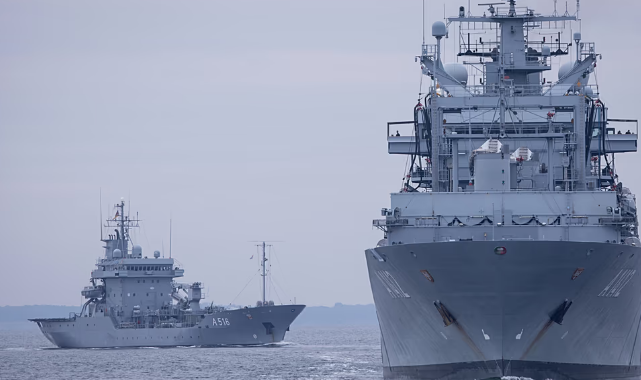
German authorities are investigating a growing number of suspected sabotage incidents involving naval vessels and military infrastructure, raising concerns about the security of the country’s armed forces and shipbuilding facilities.
According to reports by investigative outlet CORRECTIV, ten suspected sabotage cases affecting the German navy have been identified over the past year, with several incidents uncovered since the start of 2025.
The most recent case reportedly involved the frigate Rheinland-Pfalz at the naval base in Wilhelmshaven. In late February 2026, workers allegedly discovered a two-centimetre slit in the vessel’s fuel line during routine checks.
The Bundeswehr reportedly viewed the damage as potentially deliberate. A military spokesperson acknowledged that the security environment surrounding naval vessels and shipyards had changed following several suspected incidents.
“In principle, we can confirm that the threat situation for seagoing units in shipyards, as well as naval vessels under construction, has changed as a result of several suspected cases of sabotage,” the spokesperson said.
The incident was reported to investigative authorities in March. However, prosecutors in Oldenburg later discontinued the inquiry after investigators said they could not determine whether the damage resulted from intentional action, material failure or normal wear.
Another high-profile case emerged at Hamburg’s Blohm+Voss shipyard in January 2025. During an inspection of the warship Emden, several kilograms of abrasive grit sand were reportedly discovered inside the engine room.
Authorities said the material could have caused serious mechanical damage had it gone unnoticed. Hamburg police and prosecutors reportedly treated the case as suspected sabotage.
Two men, a 37-year-old Romanian and a 54-year-old Greek believed to have worked in the Hamburg port area, were arrested in connection with the investigation. Prosecutors have not publicly identified any alleged organisers or broader network linked to the case.
Earlier incidents also triggered concern. In one case, cable systems aboard a naval vessel were reportedly cut, while another investigation centred on allegations that used oil had been deliberately poured into a ship’s drinking water system. Prosecutors later closed both cases without bringing charges.
Western security officials have increasingly pointed to the possibility of Russian involvement in sabotage efforts targeting German infrastructure and military assets, although no public evidence directly tying Moscow to the naval cases has been presented.
Germany’s Federal Office for the Protection of the Constitution and Federal Criminal Police Office have warned about so-called “Wegwerf-Agenten,” or disposable agents. Officials say these recruits are often petty criminals contacted through social media and paid, frequently in cryptocurrency, to carry out disruptive acts.
Authorities believe payments can range from several hundred euros for minor tasks to tens of thousands for operations targeting military equipment connected to NATO countries.
