


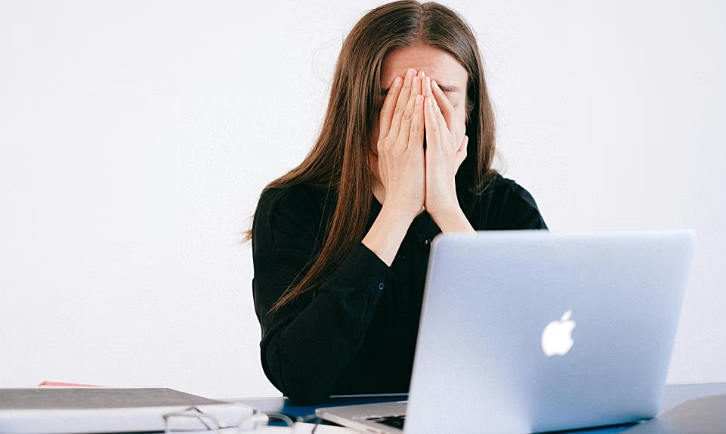
Growing economic uncertainty linked to the ongoing conflict involving Iran is taking a toll on people’s mental health, with experts warning of increased anxiety and emotional strain across societies.
Psychiatrist Kazuhiro Tajima said the sense of instability caused by rising living costs and global tensions is leaving many individuals feeling overwhelmed. He noted that uncertainty often leads to a perceived loss of control, which can trigger anxiety and stress-related conditions.
“It is logical that in this situation of economic uncertainty, people experience a loss of control, and this can lead to anxiety problems,” Tajima explained.
The conflict has disrupted global markets and contributed to higher energy prices, adding pressure on household finances. Analysts say such economic strain is closely linked to emotional well-being, particularly when combined with constant exposure to troubling news.
Tajima advised limiting excessive consumption of crisis-related information while staying informed enough to understand developments. He stressed that maintaining social connections is essential during periods of instability, as isolation can worsen anxiety.
“Social interaction helps reduce the psychological impact of uncertainty,” he said, adding that strong relationships can act as a buffer against stress.
Another key recommendation is preserving daily routines. According to Tajima, people often abandon regular habits such as exercise or leisure activities during difficult times, even though these routines are important for mental balance.
“When routines disappear, individuals tend to focus more on their problems, which increases anxiety,” he said. “Maintaining normal activities, including sports and hobbies, helps people disconnect from constant worry.”
The psychiatrist also highlighted the importance of having a sense of purpose. Engaging in meaningful work or activities can help individuals cope with stress and maintain emotional stability.
In response to financial pressures, some communities are turning to alternative economic practices. Tajima pointed to a growing interest in digital barter systems, where people exchange skills and services instead of money. He said such initiatives can strengthen social ties while helping individuals feel productive and valued.
One example is a platform called Saco, developed by Tajima and a business partner, which allows users to trade services using time as a form of currency. The model is part of a broader trend toward collaborative economies that re-emerge during times of crisis.
Mental health professionals say the combination of geopolitical tension and economic challenges makes it more important than ever to prioritize emotional well-being. They warn that neglecting mental health can have long-term consequences for individuals and communities alike.
As the conflict continues to affect global stability, experts emphasize the need for resilience, urging people to stay connected, maintain routines, and adopt coping strategies that support both mental and social well-being.
