


The return of sunny weather across Europe has brought a less welcome companion: fine particle air pollution. Several countries, including France, Germany, Belgium, Ireland, the Netherlands, and the United Kingdom, have reported high levels of pollution in recent days. Experts warn that even small changes to daily routines can significantly reduce exposure.
Air quality naturally varies with seasonal shifts, wind patterns, and a combination of natural and human-made sources. According to the Copernicus Observatory, this spring’s episode is notable because fine particles are coming from multiple sources, including emissions from agriculture and fertiliser use.
The 2025 World Air Quality Report found that global air quality is deteriorating, largely due to human-caused climate change. Within Europe, only Andorra, Estonia, and Iceland met the World Health Organization’s annual PM2.5 guideline of 5 micrograms per cubic metre. Fine particles can irritate the lungs, trigger allergies, or worsen chronic conditions such as asthma and heart disease.
With pollution expected to spike in the coming days, public health authorities are offering practical steps to limit exposure. Staying indoors is recommended, but indoor air is not automatically safe. Good ventilation, HEPA filters, and avoiding activities like frying without extraction, burning wood or coal, smoking, or using strong scented products can reduce indoor pollutants. Commuting can contribute significantly to daily exposure; choosing quieter streets, off-peak travel, and avoiding traffic can help.
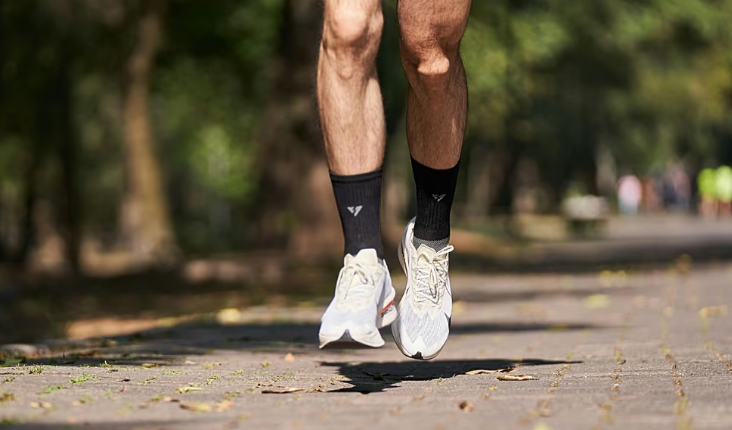
Exercise remains important, even during high pollution periods. For healthy adults, the long-term benefits of physical activity, including stronger cardiovascular health and reduced risk of stroke, diabetes, and certain cancers, outweigh the risks from pollution. People with heart or lung conditions should consult a doctor, and choosing cleaner times or green spaces for workouts is advised. Indoor exercise may also be preferable.
Diet can play a role in reducing the impact of pollution. Consuming water and antioxidant-rich foods such as berries, citrus fruits, leafy greens, nuts, and fatty fish can help the body cope with oxidative stress and inflammation. Washing skin and hair after being outdoors on high-pollution days can also remove deposited particles and lower exposure.
Real-time air quality monitoring apps, such as AirVisual or Plume Labs, allow users to track pollution levels and plan activities accordingly. During prolonged periods of poor air quality, indoor air purifiers and FFP2 respirator masks can offer additional protection.
Experts note that the ability to avoid pollution is not equal for everyone. Living conditions, occupation, access to clean transport, and indoor air solutions all affect exposure, meaning outdoor workers and urban residents face higher risks. Small adjustments, however, such as timing outdoor activity carefully or using cleaner commuting routes, can make a measurable difference in protecting health.
