


The number of confirmed cases in the Kent meningitis B outbreak has fallen to 29 following laboratory reclassification, according to United Kingdom health authorities. This marks a decrease from the 34 cases reported on Saturday, according to the latest update from the UK Health Security Agency (UKHSA).
The number of confirmed deaths remains at two. One victim was a 21-year-old student at the University of Kent, and the other a sixth-form pupil from nearby Faversham.
“Some cases initially classified as confirmed have been reclassified following further laboratory results and clinical investigation,” the agency said on Sunday. The UKHSA expects additional probable cases may also be downgraded in the coming days as further laboratory assessments are completed.
Sherine Thomas, infectious diseases consultant at UKHSA, said authorities are maintaining close monitoring and working with NHS England and local authorities to respond rapidly to any new cases. “We continue to remain vigilant for new cases and work closely with NHS England and local authorities across the country, to ensure that any new cases identified are responded to as quickly as possible,” Thomas said.
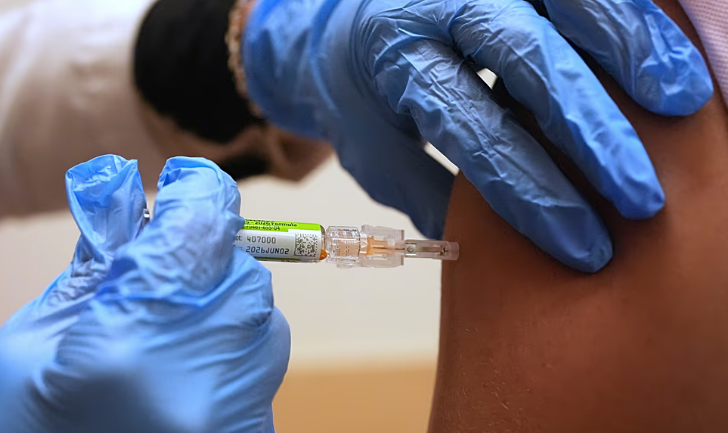
The outbreak has raised concerns in Kent, particularly among families and educational institutions. Health authorities have reiterated that children born before May 1, 2015, are not eligible for the MenB vaccine unless they fall into a clinical risk group. Parents and guardians have been urged to seek medical advice if they notice symptoms such as fever, headache, nausea, or neck stiffness.
The European Centre for Disease Prevention and Control (ECDC) has assessed the risk to the general population in the European Union and European Economic Area (EU/EEA) as very low, citing the small probability of exposure and infection. Public health officials in the UK continue to emphasize that while the outbreak remains serious locally, the threat to the broader population is minimal.
Local authorities in Kent have also increased awareness campaigns and targeted vaccination programs in affected areas, focusing on schools and universities. Healthcare providers have been advised to be vigilant for early symptoms and to provide timely treatment to prevent severe outcomes.
The UKHSA stressed that maintaining close monitoring, rapid laboratory testing, and vaccination of at-risk groups remain central to controlling the outbreak. Families in the region have expressed relief at the reduction in confirmed cases but remain cautious as investigations continue.
The agency continues to advise the public that early detection and medical attention are crucial in managing meningitis B, which can progress rapidly and lead to serious complications if untreated.
