


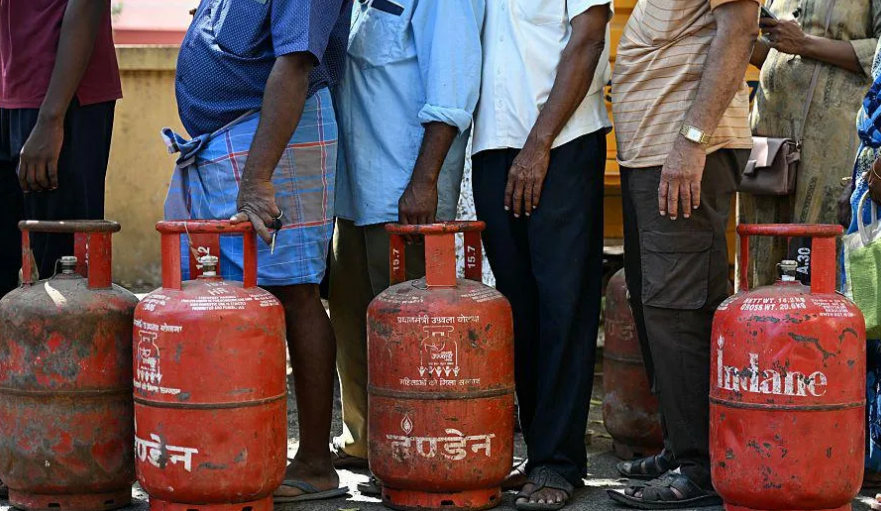
The ripple effects of the US-Israel conflict in Iran are reaching kitchens across India, with restaurants struggling as liquefied petroleum gas (LPG) supplies tighten. Disruptions in energy shipments through the Strait of Hormuz, a key route for about 90% of India’s imported LPG, have left commercial users scrambling.
Reports from major Indian cities highlight the strain on restaurants and hotels. Social media is filled with videos showing long queues outside cooking-gas dealers, and eateries are forced to cut menus, reduce hours, or close temporarily. Manpreet Singh of the National Restaurant Association of India, representing around 500,000 restaurants, said, “The situation is dire. Cooking gas simply isn’t available.”
Restaurants across the country rely on either commercial LPG cylinders or piped gas, and shortages are being felt from Delhi to the southern states. In Bengaluru, Haroon Sait, owner of an artisan bakery and restaurant chain, reported running out of gas stock. “We can only make coffee and nothing else – it is nothing less than pathetic. Businesses are going to suffer,” he said.
In Mumbai, media reports indicate that up to 20% of hotels and restaurants are either partially or fully shut due to the LPG squeeze. In Chennai and other southern cities, operators say gas reserves are dwindling with no immediate backup options. To cope, many are reducing lunch services, limiting menu items, or switching to alternative fuels like coal, wood, or electric cookers. Retailers are also reporting surging sales of electric cookers, with some outlets facing stock shortages.
Despite the disruptions, government officials insist that there is no domestic LPG shortage. India has over 300 million household LPG users, and authorities say that supplies are being prioritised for domestic use as the Gulf conflict affects global energy markets. Around 60% of India’s LPG is imported, making the country particularly vulnerable to interruptions in shipments through the Strait of Hormuz.
The ongoing uncertainty has left restaurant operators adjusting on the fly. “Three restaurants in Delhi were shut yesterday – two have already reopened. It’s a fluid situation,” Singh said.
Industry experts warn that continued disruptions could affect not just restaurants but broader food services, including catering and hospitality sectors. The shortage highlights India’s reliance on imported energy and the vulnerability of commercial operations to geopolitical tensions thousands of kilometres away.
As the conflict in the Gulf persists, Indian kitchens are grappling with supply shocks, testing the resilience of both small eateries and large hospitality chains. The coming weeks will determine how restaurants, and the wider energy-dependent industries, adapt to prolonged constraints on commercial cooking gas.
