


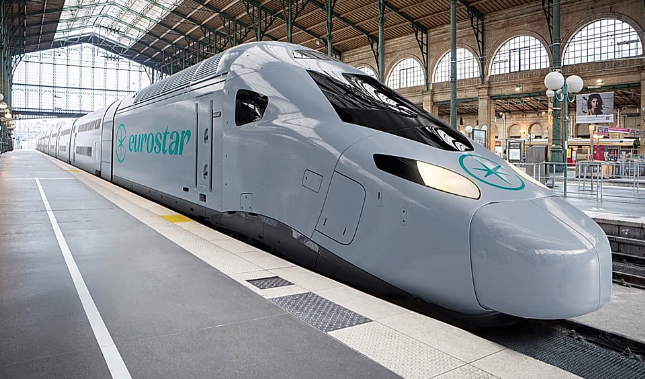
Eurostar is strengthening its long-term climate resilience by equipping its next generation of high-speed trains with air conditioning systems capable of operating in temperatures as high as 55C, following a series of intense European heatwaves that disrupted rail services this summer.
The decision reflects growing concerns over the impact of extreme weather on transport infrastructure as climate change brings more frequent and prolonged periods of high temperatures across the continent.
The upgraded trains, known as Celestia, are scheduled to enter service in 2031 and are expected to remain in operation into the 2060s. Eurostar said preparing the fleet for future climate conditions is essential given the expected lifespan of the trains.
“A decision has been taken to equip our new fleet of up to 50 Celestia trains with air conditioning capable of operating in temperatures up to 55 degrees,” a Eurostar spokesperson told the Daily Mail.
“These trains will enter service in 2031 and run into the 2060s so it’s essential to be prepared for the future,” the spokesperson added.
When the order was first announced late last year, the Celestia trains were designed to function in temperatures of up to 45C. Following this year’s severe heatwaves across several European countries, Eurostar opted to increase that threshold by 10 degrees.
France has been among the countries hardest hit by extreme temperatures. The southwestern town of Pissos recorded 44.3C in June, marking the highest temperature ever measured in the country for that month and highlighting the growing challenge facing transport operators.
The new fleet will be built by Alstom Group and will introduce several changes beyond enhanced climate protection. The double-decker trains will be the first of their kind to operate through the Channel Tunnel and on Britain’s domestic high-speed rail network.
Each train will measure approximately 200 metres in length and accommodate up to 540 passengers, representing a 20 percent increase in seating capacity compared with existing trains. They will serve Eurostar’s current international routes connecting five countries while also supporting planned expansion to Geneva and Frankfurt.
Eurostar has placed an initial order for 30 Celestia trains and retains the option to purchase 20 more as it works toward increasing annual passenger numbers to 30 million.
The company has experienced firsthand the operational impact of extreme heat. On June 25, four services between London St Pancras and Paris Gare du Nord were cancelled after high temperatures affected rail operations across parts of the network.
The investment comes as Eurostar’s contribution to the UK economy continues to grow. The operator is estimated to generate around £2 billion (€2.34 billion) annually for the British economy, with that figure expected to rise over the coming decade as demand for international rail travel increases and the network expands.
